Caterpillar Part reference

1197018ball joint

This Caterpillar ball joint, part number 1197018, is listed in the Caterpillar catalog under the name ball joint. Its catalog occurrences associate it with engine arrangement assemblies for the AP-1055B and AP-900B models, but these listings describe catalog association only and do not confirm that the part fits every machine configuration.

Recorded applications

Models and catalog references

Selected catalog references that list this part. A catalog association does not confirm fitment for every machine or configuration.

& More catalog references

Catalog context

Where this part appears

  1. ModelCaterpillar AP-1055B
  2. Groupengine arrangement
  3. Subgroupengine ar
  4. Unit227-5102 engine ar s/n b2g1-up; a3p1-up part of 239-3115 engine ar-complete
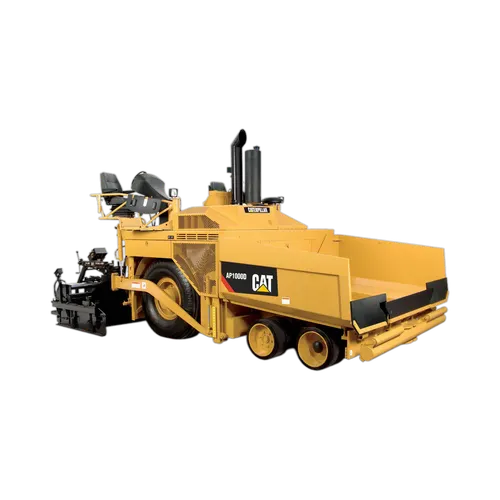
Model photo of Caterpillar AP-1055BModel photo
Model photoCaterpillar AP-1055B
About diagram access

Check the signed-in Part Book for available diagrams and the complete catalog breakdown.

Parts in this preview

Selected records
Selected catalog parts, with other part numbers masked
Part numberDescription
10***02kit-receptacle; (2-pin)(engine sensor wiring harness)
10***03kit; (receptacle) (3-pin) (includes receptacle as & wedge)
10***08valve group-fluid sampling; -coolant
1197018ball joint (current part)

Selected entries from this catalog unit. Other part numbers are masked. Confirm the full breakdown and your machine configuration before ordering.

View model page

General guidance

Component knowledge

Understanding this component

In general, a ball joint is a spherical bearing that connects two linkage members and allows them to pivot and angle in multiple directions while transmitting motion or load. In heavy equipment it is typically used in linkages, steering, and control arms where movement must occur in several planes.
What to check before ordering

Before ordering part number 1197018, check the catalog listing and confirm that the application matches your machine model and serial number. Catalog associations with parent engine arrangement assemblies should be verified against the recorded conditions and the exact function you need the part to serve.