Caterpillar Part reference

0775077bushing-terminal

Catalog part 0775077 is listed as a bushing-terminal under the Caterpillar catalog. This page covers that target part only. Two catalog occurrences link it to power adjuster motor assemblies within a controls group, but those occurrences describe the surrounding catalog assembly and do not confirm this part's specifications or fitment.

Recorded applications

Models and catalog references

Selected catalog references that list this part. A catalog association does not confirm fitment for every machine or configuration.

& More catalog references

Catalog context

Where this part appears

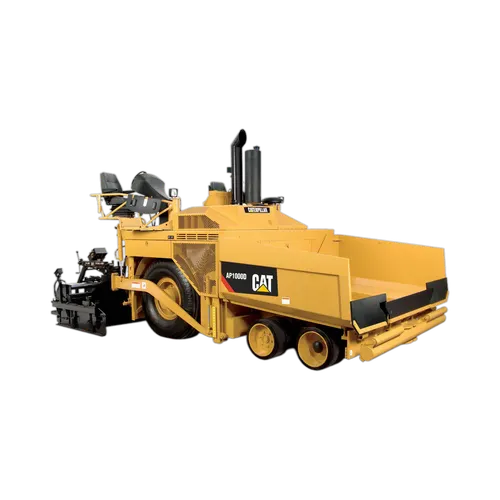
  1. ModelCaterpillar AP-1000D
  2. Groupcontrols
  3. Subgroupmotor group-power adjuster
  4. Unit277-2004 motor gp-power adjuster s/n ead1-up; bpw1-up part of 276-4590 crown gp-power an attachment
Model photo of Caterpillar AP-1000DModel photo
Model photoCaterpillar AP-1000D
About diagram access

Check the signed-in Part Book for available diagrams and the complete catalog breakdown.

Parts in this preview

Selected records
Selected catalog parts, with other part numbers masked
Part numberDescription
0775077bushing-terminal (current part)
10***02kit-receptacle; (2-pin)(engine sensor wiring harness)
10***87sleeve; (26-cm)
12***07screw-hex; (10-16x1-in)

Selected entries from this catalog unit. Other part numbers are masked. Confirm the full breakdown and your machine configuration before ordering.

View model page

General guidance

Component knowledge

Understanding this component

In general, a bushing is a cylindrical sleeve used to reduce friction, guide a moving part, or support a joint, while a terminal is a point where an electrical connection is made. A bushing-terminal therefore refers to a catalog item identified by that combined name, and its exact role should be checked against the catalog entry.

What to check before ordering

Use part number 0775077 when referencing this catalog item. Before ordering, confirm the recorded conditions for the machine, serial number and assembly location that apply to your application, since catalog associations do not establish compatibility for every configuration.