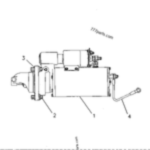
Caterpillar Part reference

1068555starting motor group-electric

This catalog entry lists starting motor group-electric under part number 1068555 within Caterpillar's electrical and starting system listings. Catalog occurrences associate this entry with the Caterpillar D250E, but the recorded parent assembly conditions should be confirmed before relying on the association.

Recorded applications

Models and catalog references

Selected catalog references that list this part. A catalog association does not confirm fitment for every machine or configuration.

& More catalog references

Catalog context

Where this part appears

  1. ModelCaterpillar D250E
  2. Groupelectrical and starting system
  3. Subgroupstarting aid group-ether
  4. Unit7u-9746 starting aid gp-ether s/n 5tn1-up part of 116-6458 installation ar-engine
Reduced catalog diagram for Caterpillar D250E Locked
Diagram previewReduced catalog thumbnail
About diagram access

Check the signed-in Part Book for available diagrams and the complete catalog breakdown.

Parts in this preview

Selected records
Selected catalog parts, with other part numbers masked
Part numberDescription
1068555starting motor group-electric (current part)
4H***69gasket starter mtg part of kit p/n 5r1425
7J***02bolt-12 point head; (5/8-11x1.5-in)
7U***46starting aid group-ether

Selected entries from this catalog unit. Other part numbers are masked. Confirm the full breakdown and your machine configuration before ordering.

View model page

General guidance

Component knowledge

Understanding this component

In general, a starting motor is an electric motor that turns an engine over so it can start, drawing power from the machine's battery system. In catalog terminology, a group usually denotes a collection of related components listed under one number, and its exact contents must be confirmed against the catalog.
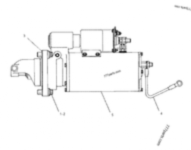
What to check before ordering

When ordering, use the target part number 1068555 exactly as listed. Before ordering, check the recorded catalog associations and any conditions shown for the parent assemblies, since these describe the surrounding catalog assembly rather than the part itself.