Caterpillar Part reference

0917473splice-wire

Catalog entry 0917473 is listed as splice-wire under the Caterpillar catalog. The catalog associates this number with wiring-related assemblies, including a wiring group in the electrical and starting system for a 773E and a control-related hydraulic context for a CP-533D, but these are catalog occurrences only and their recorded conditions should be checked before ordering.

Recorded applications

Models and catalog references

Selected catalog references that list this part. A catalog association does not confirm fitment for every machine or configuration.

& More catalog references

Catalog context

Where this part appears

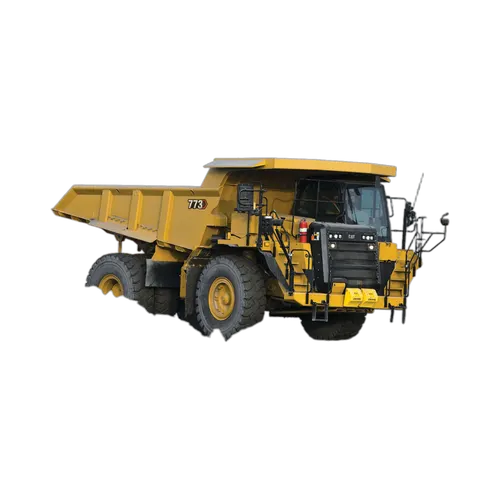
  1. ModelCaterpillar 773E
  2. Groupelectrical and starting system
  3. Subgroupwiring group-chassis
  4. Unit199-3416 wiring gp-chassis s/n ask1-105 part of 190-3857 chassis ar
Model photo of Caterpillar 773EModel photo
Model photoCaterpillar 773E
About diagram access

Check the signed-in Part Book for available diagrams and the complete catalog breakdown.

Parts in this preview

Selected records
Selected catalog parts, with other part numbers masked
Part numberDescription
0917473splice-wire (current part)
19***16wiring group-chassis
25***36connector as

Selected entries from this catalog unit. Other part numbers are masked. Confirm the full breakdown and your machine configuration before ordering.

View model page

General guidance

Component knowledge

Understanding this component

In general, a splice wire is a length of electrical conductor used to join or extend an existing wire within a harness, so that a circuit can be continued where a connection is needed. Terms such as splice, harness and circuit describe how the conductor relates to the wiring system, and the exact gauge, insulation and length are not stated in this catalog record.
What to check before ordering

Use part number 0917473 as the reference for this splice-wire entry. Before ordering, confirm the recorded machine conditions, serial coverage and assembly context against the catalog, because the catalog associations shown are occurrences rather than a general fitment statement.