Caterpillar Part reference

1069612pin-retaining

Catalog listing for Caterpillar part number 1069612, identified in the catalog as pin-retaining. The page covers this target part only. It is associated in the catalog with two parent assemblies, a 775D wheel and final drive/brake group and a 776C rear wheel group, but those occurrences do not establish complete fitment or the target's own specifications.

Recorded applications

Models and catalog references

Selected catalog references that list this part. A catalog association does not confirm fitment for every machine or configuration.

& More catalog references

Catalog context

Where this part appears

  1. ModelCaterpillar 775D
  2. Grouppower train
  3. Subgroupwheel ar-final drive & brake
  4. Unit137-6821 wheel ar-final drive & brake s/n 8as1-up type 2 field installation
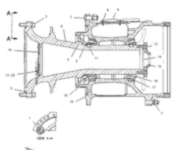
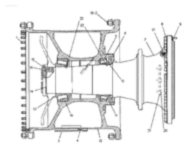
Reduced catalog diagram for Caterpillar 775D Locked
Diagram previewReduced catalog thumbnail
About diagram access

Check the signed-in Part Book for available diagrams and the complete catalog breakdown.

Parts in this preview

Selected records
Selected catalog parts, with other part numbers masked
Part numberDescription
0S***25bolt, hex. hd., 5/8"-11 n.c. x 2 1/2"
10***20housing-axle
10***38retainer
1069612pin-retaining (current part)

Selected entries from this catalog unit. Other part numbers are masked. Confirm the full breakdown and your machine configuration before ordering.

View model page

General guidance

Component knowledge

Understanding this component

In general, a pin-retaining component is a fastener or retainer that holds a pin in position so it does not move out of its bore or joint during operation. In heavy equipment, such retention parts help keep pivot and linkage pins secured under load and vibration. Its exact design and dimensions must be confirmed against the catalog.
What to check before ordering

Use part number 1069612 when identifying this catalog item. Before ordering, confirm the machine model, serial number and assembly location against the catalog conditions for the parent assemblies, since those associations are recorded separately and do not guarantee that this part is supplied or required for every configuration.