Caterpillar Part reference

0950991ball bearing

Catalog reference 0950991 is listed as a ball bearing in the Caterpillar catalog. It appears as a catalog occurrence in the hydraulic system drive group-pump subgroup under two catalog-listed parent assemblies for Caterpillar 325B LN and 330C models. These are catalog associations only; confirm the recorded conditions before ordering.

Recorded applications

Models and catalog references

Selected catalog references that list this part. A catalog association does not confirm fitment for every machine or configuration.

& More catalog references

Catalog context

Where this part appears

  1. ModelCaterpillar 325B LN
  2. Grouphydraulic system
  3. Subgroupdrive group-pump
  4. Unit129-7995 drive gp-auxiliary pump s/n 6dn1-up; 8fn1-up part of 163-0749, 170-2181, 170-2182 control ar-auxiliary, 177-4911 control ar-grapple, 133-7539 pump & drive gp an attachment
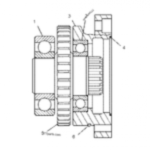
Reduced catalog diagram for Caterpillar 325B LN Locked
Diagram previewReduced catalog thumbnail
About diagram access

Check the signed-in Part Book for available diagrams and the complete catalog breakdown.

Parts in this preview

Selected records
Selected catalog parts, with other part numbers masked
Part numberDescription
0950991ball bearing (current part)
12***95drive group-pump
12***97gear
13***83flange

Selected entries from this catalog unit. Other part numbers are masked. Confirm the full breakdown and your machine configuration before ordering.

View model page

General guidance

Component knowledge

Understanding this component

In general, a ball bearing is a rolling-element bearing that uses balls between an inner and outer ring to support rotating shafts and reduce friction. In heavy equipment it is typically used where shafts must turn smoothly under load within a housing or drive assembly. Its exact dimensions, sealing, and construction are not stated in the catalog record.
What to check before ordering

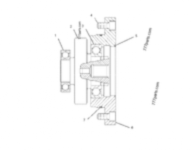
Use part number 0950991 exactly as listed when ordering the ball bearing. Before purchasing, check the catalog occurrences for the machine model, serial number and assembly conditions, since the recorded parent units carry their own serial and configuration qualifiers. If your machine or assembly configuration differs, confirm compatibility against the catalog.