Caterpillar Part reference

0619593bushing-reducer; (1/2-14 nptf)

Caterpillar part 0619593 is listed as a bushing-reducer with a 1/2-14 NPTF thread designation in the catalog. Catalog occurrences associate this number with the Caterpillar D250E and D300E operator station and cab-related groups, but these are catalog associations only and do not confirm compatibility with every machine configuration.

Recorded applications

Models and catalog references

Selected catalog references that list this part. A catalog association does not confirm fitment for every machine or configuration.

& More catalog references

Catalog context

Where this part appears

  1. ModelCaterpillar D250E
  2. Groupoperator station
  3. Subgrouplines group-air conditioner
  4. Unit123-3479 lines gp-air conditioner s/n 5tn1-up part of 116-6445 air conditioner ar an attachment
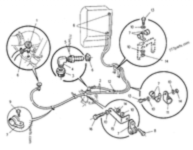
Reduced catalog diagram for Caterpillar D250E Locked
Diagram previewReduced catalog thumbnail
About diagram access

Check the signed-in Part Book for available diagrams and the complete catalog breakdown.

Parts in this preview

Selected records
Selected catalog parts, with other part numbers masked
Part numberDescription
00***53elbow-pipe; (1/2-14 nptf thd)
0619593bushing-reducer; (1/2-14 nptf) (current part)
12***79lines group-air conditioner
12***64bracket

Selected entries from this catalog unit. Other part numbers are masked. Confirm the full breakdown and your machine configuration before ordering.

View model page

General guidance

Component knowledge

Understanding this component

In general, a bushing-reducer is a threaded fitting used to step down from one connection size to a smaller one within a pipe or hose line. NPTF is a tapered pipe thread standard, and the 1/2-14 designation identifies the thread size recorded in the catalog for this item.

What to check before ordering

Please order using part number 0619593 as listed in the catalog. Before ordering, confirm the machine model, serial number and the parent assembly conditions recorded for each catalog occurrence, since these associations do not establish universal fitment.