Caterpillar Part reference

1067995stem

Catalog part number 1067995, listed as stem. It appears in the hydraulic system, valve group-control subgroup, within catalog occurrences for Caterpillar 14H assemblies that include valve group-control parent units. These occurrences are catalog associations only; confirm the recorded conditions before ordering.

Recorded applications

Models and catalog references

Selected catalog references that list this part. A catalog association does not confirm fitment for every machine or configuration.

Catalog context

Where this part appears

  1. ModelCaterpillar 14H
  2. Grouphydraulic system
  3. Subgroupvalve group-control
  4. Unit107-0559 valve gp-control -ripper-lh s/n ase1-up part of 104-8654, 254-1578 valve gp-bank 5, 254-1589 valve gp-bank 6, 104-8656, 254-1579, 254-1588, 4z-6358 valve gp-bank 7 type 2 an attachment
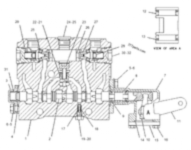
Reduced catalog diagram for Caterpillar 14H Locked
Diagram previewReduced catalog thumbnail
About diagram access

Check the signed-in Part Book for available diagrams and the complete catalog breakdown.

Parts in this preview

Selected records
Selected catalog parts, with other part numbers masked
Part numberDescription
10***70lever as; (blade lift)
10***71lever; (blade lift)
10***73retainer
1067995stem (current part)

Selected entries from this catalog unit. Other part numbers are masked. Confirm the full breakdown and your machine configuration before ordering.

View model page

General guidance

Component knowledge

Understanding this component

In general, a stem is a slender shaft or rod that transmits motion or holds a moving part in place within a larger assembly. In hydraulic valve groups, a stem typically relates to actuating or positioning a valve element, but its exact role and construction should be checked against the catalog.
What to check before ordering

Reference part number 1067995 exactly as listed when requesting this item. Before ordering, compare the recorded catalog occurrences with your machine's model, serial number and configuration, since these parent-unit associations do not by themselves confirm fitment.