Caterpillar Part reference

1102631disc-friction

Catalog part number 1102631 is listed as a disc-friction component for Caterpillar equipment. This page covers only that target part, which the catalog records under the description disc-friction. Its listing is a catalog association and should be checked against your machine's recorded conditions before ordering.

Recorded applications

Models and catalog references

Selected catalog references that list this part. A catalog association does not confirm fitment for every machine or configuration.

Catalog context

Where this part appears

  1. ModelCaterpillar D9T
  2. Groupundercarriage
  3. Subgrouptrack group
  4. Unit234-9441 track gp -2-required s/n rjs1-up 660-mm (26-in) chopping shoe. sealed, lubricated for use with waste disposal ar, hard underfoot surface, transfer stations field installation
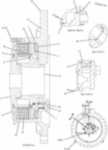
Reduced catalog diagram for Caterpillar D9T Locked
Diagram previewReduced catalog thumbnail
About diagram access

Check the signed-in Part Book for available diagrams and the complete catalog breakdown.

Parts in this preview

Selected records
Selected catalog parts, with other part numbers masked
Part numberDescription
0S***85bolt; 12.7 mm (1/2") diameter x 38.1 mm (1 1/2") length generator to engine
0S***87bolt-bracket assembly to timing gear
1102631disc-friction (current part)
12***66spool

Selected entries from this catalog unit. Other part numbers are masked. Confirm the full breakdown and your machine configuration before ordering.

View model page

General guidance

Component knowledge

Understanding this component

In general, a disc-friction component is a friction-type part used in a machine's power transmission or braking system, where contact between friction surfaces transfers torque or slows motion. Its exact construction, supplied contents, and specific function in any machine must be confirmed against the catalog record.

What to check before ordering

Reference Caterpillar part number 1102631 exactly when ordering or comparing options. Before purchasing, confirm the recorded machine and serial conditions for your specific equipment, since catalog associations do not establish compatibility across all configurations.