Caterpillar Part reference

1090536drive group-hydrostatic

This page covers Caterpillar part number 1090536, cataloged as drive group-hydrostatic. In the catalog, this number appears within power train assemblies for the Caterpillar 914G, including a rear axle assembly and a power train assembly. This is a catalog association only; confirm the recorded conditions before ordering, as listing does not establish compatibility for every machine configuration.

Recorded applications

Models and catalog references

Selected catalog references that list this part. A catalog association does not confirm fitment for every machine or configuration.

Catalog context

Where this part appears

  1. ModelCaterpillar 914G
  2. Grouppower train
  3. Subgroupaxle ar-oscillating
  4. Unit109-5503 axle ar-oscillating -standard differential, rear s/n 7zm1-439
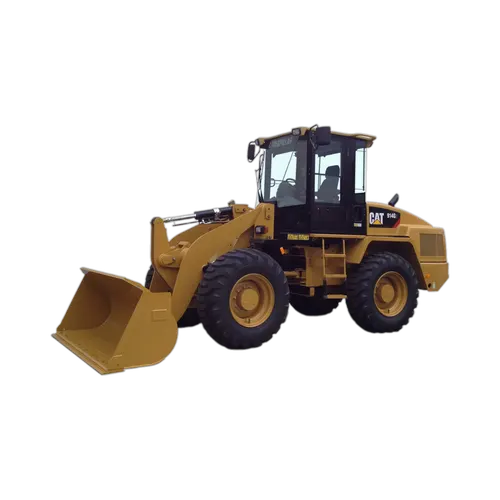
Model photo of Caterpillar 914GModel photo
Model photoCaterpillar 914G
About diagram access

Check the signed-in Part Book for available diagrams and the complete catalog breakdown.

Parts in this preview

Selected records
Selected catalog parts, with other part numbers masked
Part numberDescription
1090536drive group-hydrostatic (current part)
10***03axle ar-oscillating; -standard differential, rear
14***98axle ar-oscillating

Selected entries from this catalog unit. Other part numbers are masked. Confirm the full breakdown and your machine configuration before ordering.

View model page

General guidance

Component knowledge

Understanding this component

In general, a hydrostatic drive group is a power transmission assembly that uses pressurized hydraulic fluid to transfer engine power to the drive wheels or tracks, allowing smooth, variable speed control. Hydrostatic drive assemblies are typically associated with the machine's power train and drive system. Exact contents and construction are not stated in the supplied catalog data and should be checked against the catalog.
What to check before ordering

Order using part number 1090536 as shown in the catalog. Before ordering, check the catalog's recorded conditions for the relevant machine and serial number, since the associated parent assemblies carry their own serial and configuration notes.