Caterpillar Part reference

1046746case as-differential

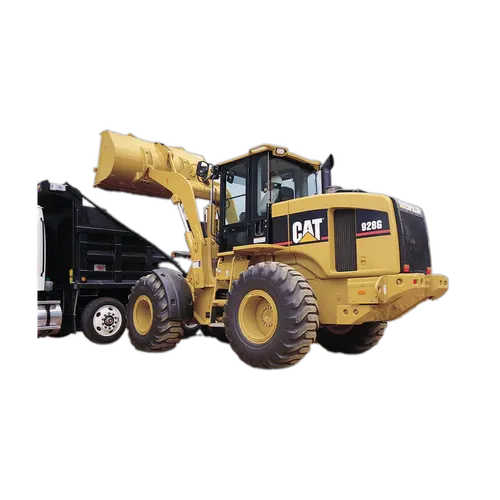
The Caterpillar part number 1046746 is catalogued as a case assembly for a differential. It appears in the catalog under the differential group of the power train and is recorded as associated with the Caterpillar 928G. Confirm the recorded conditions before relying on this association for your machine.

Recorded applications

Models and catalog references

Selected catalog references that list this part. A catalog association does not confirm fitment for every machine or configuration.

Catalog context

Where this part appears

  1. ModelCaterpillar 928G
  2. Grouppower train
  3. Subgroupdifferential group
  4. Unit103-2009 differential gp-limited slip s/n 6xr1-up part of 117-8251 axle ar-fixed, 117-8253 axle ar-oscillating an attachment
Model photo of Caterpillar 928GModel photo
Model photoCaterpillar 928G
About diagram access

Check the signed-in Part Book for available diagrams and the complete catalog breakdown.

Parts in this preview

Selected records
Selected catalog parts, with other part numbers masked
Part numberDescription
10***09differential group
10***39gear-differential bevel; (14-teeth)(14 teeth ea)
10***40pinion; (9 teeth) ea
1046746case as-differential (current part)

Selected entries from this catalog unit. Other part numbers are masked. Confirm the full breakdown and your machine configuration before ordering.

View model page

General guidance

Component knowledge

Understanding this component

In general, a differential case is the housing that holds the differential gears and supports the rotating parts that split engine power between the wheels or axle shafts. It is a structural component that keeps the gears aligned and protected. Its exact construction and any supplied contents should be checked against the catalog entry.

What to check before ordering

Reference Caterpillar part number 1046746 when enquiring, and quote the exact number as shown. Before ordering, check the recorded catalog associations and the conditions listed for the parent differential unit, since those conditions apply to that unit and must be confirmed for your specific machine.