Caterpillar Part reference

1209987shield-exhaust

This page covers Caterpillar part number 1209987, catalogued as a shield-exhaust. The catalog associates it with air inlet and exhaust system groupings for D350E and D350E II entries, but these are catalog associations only and the reader should confirm the recorded conditions before ordering.

Recorded applications

Models and catalog references

Selected catalog references that list this part. A catalog association does not confirm fitment for every machine or configuration.

Catalog context

Where this part appears

  1. ModelCaterpillar D350E
  2. Groupair inlet and exhaust system
  3. Subgroupshield group-exhaust
  4. Unit7u-3931 shield gp-exhaust s/n 9lr1-99999 part of 123-7856 installation ar-engine
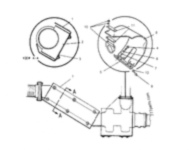
Reduced catalog diagram for Caterpillar D350E Locked
Diagram previewReduced catalog thumbnail
About diagram access

Check the signed-in Part Book for available diagrams and the complete catalog breakdown.

Parts in this preview

Selected records
Selected catalog parts, with other part numbers masked
Part numberDescription
06***93clamp-tubing
1209987shield-exhaust (current part)
2U***17guard-turbocharger
4L***37hex head capscrew, 3/8 nc x 1 1/2 in. (38 mm)

Selected entries from this catalog unit. Other part numbers are masked. Confirm the full breakdown and your machine configuration before ordering.

View model page

General guidance

Component knowledge

Understanding this component

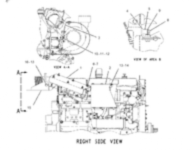
In general, an exhaust shield is a protective cover or guard placed around hot exhaust-related components on heavy equipment, helping shield nearby parts and operators from heat. Its exact construction, mounting arrangement and any supplied hardware are not stated in the catalog data for this part.
What to check before ordering

Please check the existing part number 1209987 against your machine's serial number and catalog configuration before ordering. Catalog associations with the D350E and D350E II groupings do not by themselves confirm compatibility for every machine configuration, so review the recorded conditions for each occurrence.