Caterpillar Part reference

1185388lighting group-flood

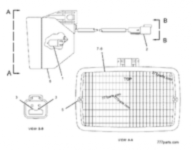
This page covers catalog part number 1185388, listed as lighting group-flood in the Caterpillar catalog. The catalog associates it with a lighting-related entry under the electrical and starting system, and the Caterpillar 515 appears among its catalog occurrences, so confirm its recorded conditions before ordering.

Recorded applications

Models and catalog references

Selected catalog references that list this part. A catalog association does not confirm fitment for every machine or configuration.

  • Caterpillar 515
  • Caterpillar 525

Catalog context

Where this part appears

  1. ModelCaterpillar 515
    Browse Caterpillar models
  2. Groupelectrical and starting system
  3. Subgrouplighting group-flood
  4. Unit118-5388 lighting gp-flood s/n 4lr1-691 part of 128-7040 cab ar, 133-8110 cab ar-enclosed rops, 125-9165, 128-4385 cab ar-open rops type 1 an attachment
Heavy Parts AI

Caterpillar 515

Catalog referenceCaterpillar 515
About diagram access

Check the signed-in Part Book for available diagrams and the complete catalog breakdown.

Parts in this preview

Selected records
Selected catalog parts, with other part numbers masked
Part numberDescription
10***02kit-receptacle; (2-pin)(engine sensor wiring harness)
1185388lighting group-flood (current part)
14***89screw; (m6.5x40-mm)
16***56bolt-hex head; (m8x1.25x30mm)

Selected entries from this catalog unit. Other part numbers are masked. Confirm the full breakdown and your machine configuration before ordering.

Browse Caterpillar models

General guidance

Component knowledge

Understanding this component

In general, a flood lighting group is an assembly of lamps and related mounting parts designed to illuminate a wide work area around heavy equipment. Such groups are typically used for night operation, low-light conditions, or areas where task lighting needs to cover a broad zone.
What to check before ordering

Use part number 1185388 when referencing this lighting group-flood entry. Before ordering, check the recorded catalog occurrences, including the machine model and the surrounding assembly conditions listed in the catalog, because those associations do not by themselves establish fitment for every machine configuration.