Caterpillar Part reference

1166464support group-cab tilt

This page covers Caterpillar part 1166464, catalogued as a support group for a cab tilt arrangement. The catalog associates it with the Caterpillar D250E in the frame and body group, under a support group-cab tilt subgroup. Confirm the recorded catalog conditions before ordering, as these associations do not establish universal fitment.

Recorded applications

Models and catalog references

Selected catalog references that list this part. A catalog association does not confirm fitment for every machine or configuration.

& More catalog references

Catalog context

Where this part appears

  1. ModelCaterpillar D250E
  2. Groupmachine arrangement
  3. Subgroupchassis ar
  4. Unit116-6455 chassis ar s/n 5tn1-up part of 117-5930 general ar
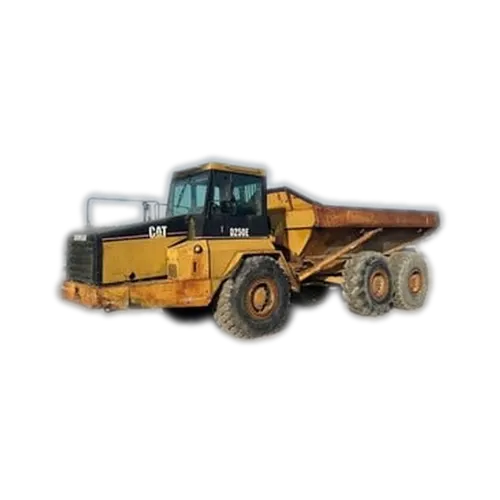
Model photo of Caterpillar D250EModel photo
Model photoCaterpillar D250E
About diagram access

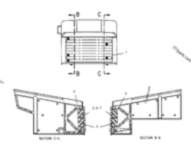
Check the signed-in Part Book for available diagrams and the complete catalog breakdown.

Parts in this preview

Selected records
Selected catalog parts, with other part numbers masked
Part numberDescription
11***00control group-parking brake
11***03lines group-service brake
11***04latch group-hood
1166464support group-cab tilt (current part)

Selected entries from this catalog unit. Other part numbers are masked. Confirm the full breakdown and your machine configuration before ordering.

View model page

General guidance

Component knowledge

Understanding this component

In general, a cab tilt support group is a structural assembly that helps carry and guide a tilting operator cab on a machine, allowing the cab to pivot for access to components underneath. Its exact construction and supplied pieces are not stated in the catalog record and should be confirmed against the catalog.
What to check before ordering

Part number 1166464 is the number for this page and should be used exactly as shown when checking availability. Before ordering, verify the machine model, serial number range and the cab tilt arrangement the catalog associates with this support group, since the parent assemblies carry their own recorded conditions.