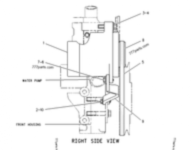
Part number 1164544 is listed in the Caterpillar catalog as an alternator group for charging, in the electrical and starting system. This entry is the cataloged alternator group itself, identified by its number and description. Confirm its fit and conditions against the catalog before ordering.
Recorded applications
Models and catalog references
Selected catalog references that list this part. A catalog association does not confirm fitment for every machine or configuration.
In general, an alternator is the engine-driven generator that recharges the battery and supplies electrical power while the machine is running. A charging alternator group is a catalog grouping used to identify this charging component within the starting and electrical system.
What to check before ordering
Use part number 1164544 when ordering this charging alternator group. Catalog occurrences for related Caterpillar 3116 and 3126 entries are recorded with their own parent-unit labels and conditions, so check those recorded conditions against your machine before relying on any association.
Catalog references
Other diagram contexts for 1164544
The catalog records this part in the units below. Check the model and configuration for your machine before ordering.