Caterpillar Part reference

1137559shim

Caterpillar part 1137559 is listed in the catalog as a shim. The catalog associates it with hydraulic system valve groups on Caterpillar 527 and 515 entries, but these are catalog occurrences only; confirm the recorded parent conditions and serial coverage before relying on any association.

Recorded applications

Models and catalog references

Selected catalog references that list this part. A catalog association does not confirm fitment for every machine or configuration.

  • Caterpillar 527
  • Caterpillar 515
  • Caterpillar 525
& More catalog references
  • Caterpillar 525B
  • Caterpillar 535B
  • Caterpillar 545

Catalog context

Where this part appears

  1. ModelCaterpillar 527
    Browse Caterpillar models
  2. Grouphydraulic system
  3. Subgroupvalve group-control
  4. Unit6e-4955 valve gp-control -bulldozer lift s/n 2rs1-up part of 6e-4781 valve gp-bank
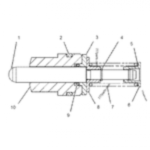
Reduced catalog diagram for Caterpillar 527 Locked
Diagram previewReduced catalog thumbnail
About diagram access

Check the signed-in Part Book for available diagrams and the complete catalog breakdown.

Parts in this preview

Selected records
Selected catalog parts, with other part numbers masked
Part numberDescription
11***57spring
11***58seat-spring
1137559shim (current part)
1G***28kit-plunger seal; (includes part marked j)

Selected entries from this catalog unit. Other part numbers are masked. Confirm the full breakdown and your machine configuration before ordering.

Browse Caterpillar models

General guidance

Component knowledge

Understanding this component

In general, a shim is a thin spacer or precision plate placed between components to adjust clearance, alignment or preload. In hydraulic valve assemblies, shims are typically used to set spring or valve travel conditions, but the exact role of this shim should be checked against the catalog.

What to check before ordering

Please reference Caterpillar part number 1137559 when ordering. Before purchasing, confirm the machine model, serial number and the parent assembly listed in the catalog, since a catalog association does not establish compatibility for every machine configuration.