Caterpillar Part reference

1113391grapple ar

This page covers part number 1113391, listed in the catalog as grapple ar. The catalog associates it with work tool entries for Caterpillar D4HTSK III and D5HTSK II machines, with the grapple ar subgroup, but the target part's own specifications are not recorded here. Confirm the exact configuration against the catalog before ordering.

Recorded applications

Models and catalog references

Selected catalog references that list this part. A catalog association does not confirm fitment for every machine or configuration.

  • Caterpillar D4HTSK III
  • Caterpillar D5HTSK II

Catalog context

Where this part appears

  1. ModelCaterpillar D4HTSK III
    Browse Caterpillar models
  2. Groupwork tools
  3. Subgroupgrapple ar
  4. Unit111-3391 grapple ar s/n 7pk1-up hsg 100 inch ice tong an attachment
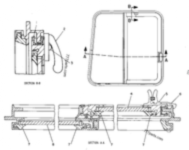
Reduced catalog diagram for Caterpillar D4HTSK III Locked
Diagram previewReduced catalog thumbnail
About diagram access

Check the signed-in Part Book for available diagrams and the complete catalog breakdown.

Parts in this preview

Selected records
Selected catalog parts, with other part numbers masked
Part numberDescription
1113391grapple ar (current part)
2H***22screw-self-tapping; (10-16x0.77-in)
3T***21lock assem.
3W***39glass; (tinted)

Selected entries from this catalog unit. Other part numbers are masked. Confirm the full breakdown and your machine configuration before ordering.

Browse Caterpillar models

General guidance

Component knowledge

Understanding this component

In general, a grapple is a work tool that clamps and holds material such as logs, rocks or debris, and an "ar" designation in a catalog label usually refers to an arm or articulated assembly. The exact construction, supplied contents and role of this specific part should be checked against the catalog.

What to check before ordering

Use part number 1113391 as the reference when requesting this item. Before ordering, check the recorded serial number ranges and parent unit conditions for the catalog associations, since these apply to the surrounding assembly rather than being confirmed for the target part alone.