Caterpillar Part reference

1036713hose; (upper radiator)

Part 1036713 is a catalog listing for a hose identified as the upper radiator hose in Caterpillar's catalog. It appears in the cooling system group, radiator subgroup, under two Caterpillar 3056 catalog occurrences associated with radiator assemblies.

Recorded applications

Models and catalog references

Selected catalog references that list this part. A catalog association does not confirm fitment for every machine or configuration.

  • Caterpillar 3056

Catalog context

Where this part appears

  1. ModelCaterpillar 3056
    Browse Caterpillar models
  2. Groupcooling system
  3. Subgroupradiator group
  4. Unit103-1225 radiator gp s/n 1ml1-2458 for use with @@@@@102-3529@@@@@, @@@@@102-3531@@@@@, @@@@@102-3532@@@@@, @@@@@110-2946@@@@@ cannot be used with aftercooler also an attachment
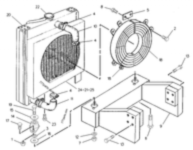
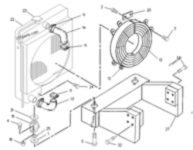
Reduced catalog diagram for Caterpillar 3056 Locked
Diagram previewReduced catalog thumbnail
About diagram access

Check the signed-in Part Book for available diagrams and the complete catalog breakdown.

Parts in this preview

Selected records
Selected catalog parts, with other part numbers masked
Part numberDescription
06***24plug
10***61bolt; (m10x1.50x50-mm)
10***30bolt; (m10x1.5x20-mm)
1036713hose; (upper radiator) (current part)

Selected entries from this catalog unit. Other part numbers are masked. Confirm the full breakdown and your machine configuration before ordering.

Browse Caterpillar models

General guidance

Component knowledge

Understanding this component

In general, a radiator hose is a flexible fluid connection that carries coolant between an engine and its radiator, and an upper hose typically links the upper part of the cooling circuit. Exact construction, dimensions and fitting details are not stated in this catalog entry and should be checked against the specific machine or catalog reference.
What to check before ordering

Reference part number 1036713 exactly as shown when checking this listing. The catalog occurrences here are associations only, so confirm the recorded machine and parent-assembly conditions before relying on them for a particular unit.