Caterpillar Part reference

1026421gauge-oil level (dipstick)

Catalog listing 1026421 is recorded for a Caterpillar oil level gauge, described in the catalog as a dipstick. The listing also appears in Caterpillar 307B hydraulic system catalog occurrences under drive group-swing assemblies, which are catalog associations rather than confirmed fitment for every machine configuration.

Recorded applications

Models and catalog references

Selected catalog references that list this part. A catalog association does not confirm fitment for every machine or configuration.

Catalog context

Where this part appears

  1. ModelCaterpillar 307B
  2. Grouphydraulic system
  3. Subgroupdrive group-swing
  4. Unit136-2907 drive gp-swing part of 149-4480 power train ar an attachment
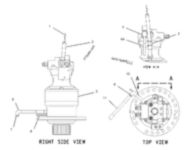
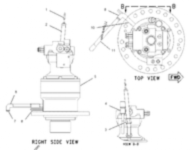
Reduced catalog diagram for Caterpillar 307B Locked
Diagram previewReduced catalog thumbnail
About diagram access

Check the signed-in Part Book for available diagrams and the complete catalog breakdown.

Parts in this preview

Selected records
Selected catalog parts, with other part numbers masked
Part numberDescription
00***14elbow (90 degrees pipe)
1026421gauge-oil level (dipstick) (current part)
10***22pipe assem.
10***23pipe

Selected entries from this catalog unit. Other part numbers are masked. Confirm the full breakdown and your machine configuration before ordering.

View model page

General guidance

Component knowledge

Understanding this component

In general, an oil level gauge, or dipstick, is a graduated rod used to check the lubricant level in an enclosed reservoir or housing without removing a cover. Catalog grouping can place a dipstick near a related assembly, so its exact application should be confirmed against the machine's serial number and parts documentation.
What to check before ordering

When referencing part number 1026421, use that exact number as listed in the catalog. Before ordering, confirm the recorded machine conditions, serial coverage and application details for your specific unit, since the parent assemblies shown in the catalog occurrences do not by themselves establish compatibility for every configuration.