Caterpillar Part reference

0640230seal-lip type

Catalog number 0640230 is listed as a seal-lip type Caterpillar part. One catalog occurrence associates it with the frame and body group, under the boss group-rear frame subgroup, for a Caterpillar IT38H. That association is a catalog record only and does not confirm fitment for every machine or configuration.

Recorded applications

Models and catalog references

Selected catalog references that list this part. A catalog association does not confirm fitment for every machine or configuration.

Catalog context

Where this part appears

  1. ModelCaterpillar IT38H
  2. Groupframe and body
  3. Subgroupboss group-rear frame
  4. Unit273-9731 boss gp-rear frame s/n jnj1-up part of 317-9489 configuration ar, 284-3569 suppression ar-sound an attachment
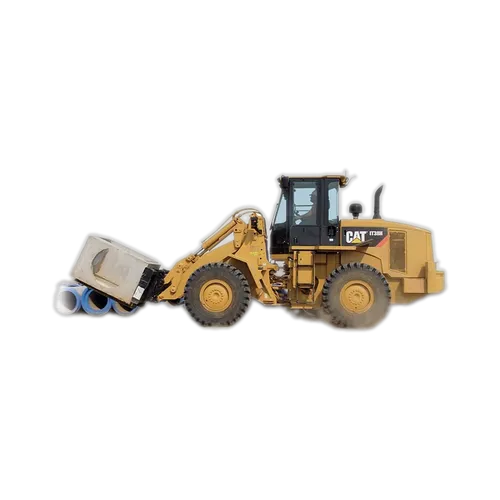
Model photo of Caterpillar IT38HModel photo
Model photoCaterpillar IT38H
About diagram access

Check the signed-in Part Book for available diagrams and the complete catalog breakdown.

Parts in this preview

Selected records
Selected catalog parts, with other part numbers masked
Part numberDescription
00***34bearing as-tapered roller
0640230seal-lip type (current part)
10***52pin assem.
10***53plate

Selected entries from this catalog unit. Other part numbers are masked. Confirm the full breakdown and your machine configuration before ordering.

View model page

General guidance

Component knowledge

Understanding this component

In general, a seal-lip type component is a sealing element with a lip that presses against a moving or mating surface to help retain fluids, grease or debris. Seal-lip parts are common in heavy equipment pivots, shafts, cylinders and housings, where they help keep working surfaces protected. The exact construction and any supplied pieces for this number are not stated in the catalog data.

What to check before ordering

Use part number 0640230 exactly as listed when checking the catalog. Before ordering, confirm the machine serial number, configuration, and the recorded conditions of the catalog association shown above, since the parent assembly's conditions do not automatically apply to this target part.